

Acne & Breakouts
Breakouts Are Rarely Caused by Just One Thing
Acne and recurring breakouts can be frustrating, uncomfortable and difficult to understand. You may have tried multiple products, changed your diet or followed online advice without knowing what your skin actually needs.
Acne can be influenced by hormones, genetics, excess oil, blocked follicles, inflammation, skincare products, stress, medication and lifestyle factors. This is why the same routine or treatment will not work for everybody.
My approach begins with understanding your skin, the type of breakouts you are experiencing and any factors that may be contributing to them. From there, I can create a realistic professional treatment and homecare plan tailored to you.
Why Do Breakouts Happen?
Acne develops when hair follicles become blocked with excess oil and dead skin cells. This can create blackheads and whiteheads. When bacteria and inflammation become involved, red, tender or pus-filled spots may develop.
However, what starts this process—and what keeps it going—can differ greatly between clients. More than one factor may be contributing at the same time.
Hormonal changes can stimulate the oil glands and increase the amount of sebum produced by the skin. This is why breakouts commonly begin during puberty or flare around menstrual cycles, pregnancy, perimenopause or changes in hormonal contraception.
Hormonal breakouts often appear around the chin, jawline and lower face, but their location alone cannot confirm that hormones are responsible. Persistent acne alongside irregular periods, excess facial hair or other hormonal symptoms should be discussed with a GP.
When excess oil mixes with dead skin cells, it can form a plug inside the follicle. A closed blockage creates a whitehead, while an open blockage creates a blackhead.
This does not mean the skin is dirty. Aggressive scrubbing and excessive cleansing can damage the skin barrier, increase irritation and make inflamed breakouts appear worse.
Genetics can influence how much oil your skin produces, how easily your follicles become blocked and how strongly your skin responds to inflammation.
A family history of persistent or scarring acne does not mean that nothing can be done. However, it may mean that earlier intervention, consistent homecare and ongoing management are particularly important.
Heavy, oily or unsuitable skincare, makeup and hair products may contribute to blocked follicles. However, irritation can also be caused by using too many acids, scrubs or active ingredients at the same time.
The answer is not always to use stronger products. Sometimes the first step is simplifying the routine, repairing the skin barrier and introducing suitable active ingredients gradually.
Stress does not necessarily cause acne, but it may worsen existing inflammation and contribute to flare-ups. Lack of sleep, frequently touching or picking the skin and an inconsistent routine may also affect some people.
Diet is not the sole cause of acne. Some people notice personal links with certain foods, high-sugar diets or whey and dairy products, while others notice no connection at all. Rather than making extreme restrictions, it can be more useful to monitor genuine patterns over time.
Some medicines and underlying medical or hormonal conditions can contribute to acne or acne-like breakouts. Never stop prescribed medication without speaking to your doctor.
Sudden adult acne, severe or painful breakouts, or acne accompanied by other unexplained symptoms should be discussed with a GP.
Heat, sweating and repeated friction from helmets, hats, masks, tight clothing or sports equipment may aggravate breakout-prone skin. This is sometimes called acne mechanica.
Gently cleansing after exercise, regularly washing anything that touches the face and avoiding heavy products beneath tight equipment may help reduce flare-ups.
Not All Acne Is the Same
Acne can appear in several different forms, and many people experience more than one type at the same time. Correctly assessing the type and severity is important because congested skin, inflamed acne and deep cystic acne should not be treated in the same way.
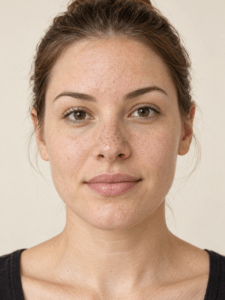
Comedonal Acne: Blackheads and Whiteheads
Comedonal acne is mainly made up of blocked follicles. Whiteheads remain closed beneath the skin, while blackheads are open at the surface. The dark colour of a blackhead is caused by the contents reacting with the air—not dirt.
The skin may feel bumpy or congested without being particularly red or painful. Suitable homecare, professional facials and carefully selected chemical peels may help reduce congestion and prevent new blockages from forming.
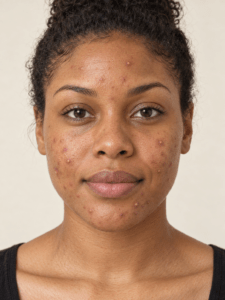
Inflammatory Acne: Papules and Pustules
Papules are red, raised and sometimes tender spots without a visible head. Pustules are inflamed spots containing visible white or yellow fluid.
This type of acne requires a gentle approach because squeezing, harsh exfoliation and aggressive extractions can increase inflammation and the likelihood of prolonged red or brown marks. Depending on the client’s suitability, IPL Acne Clearance, chemical peels, professional facials and supportive homecare may be recommended.
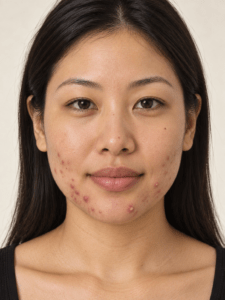
Hormonal-Pattern Acne
Hormonal-pattern acne often appears as recurring, tender breakouts around the chin, jawline and lower face. Some clients notice that it repeatedly worsens at a particular stage of their menstrual cycle.
Professional treatments can help calm the skin and manage the visible breakouts, but they cannot remove an underlying hormonal trigger. Persistent or severe hormonal acne may require additional support from a GP or dermatologist.
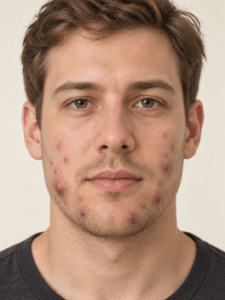
Nodular and Cystic Acne
Nodules and cysts are larger, deeper and often painful breakouts that develop beneath the skin. They may not form a visible head and have a greater risk of permanent scarring.
This severity of acne should be assessed medically. I will not carry out unsuitable cosmetic treatments over severe active acne and will recommend speaking to your GP or a dermatologist.
Could It Be Something Else?
Not every group of spots is acne. Conditions including rosacea, folliculitis and perioral dermatitis can sometimes resemble acne but require a different approach.
If the appearance, symptoms or pattern suggest that another condition may be present, I will recommend medical assessment rather than treating the skin incorrectly.
Acne Marks or Scarring?
Not every mark left behind by a breakout is a scar. Some are flat changes in skin colour, while true acne scarring causes a lasting change in the skin’s texture. Identifying the difference is important because each concern requires a different approach.
RED, PINK OR PURPLE MARKS
Post-inflammatory erythema, often shortened to PIE, appears as flat pink, red or purple marks after an inflamed breakout has healed. These marks are caused by changes in the small blood vessels beneath the skin rather than excess pigment.
They may gradually fade, but suitable clients may benefit from professional skincare or IPL Skin Rejuvenation once active inflammation has settled.
BROWN OR GREY MARKS
Post-inflammatory hyperpigmentation, known as PIH, develops when inflammation triggers additional melanin production. It appears as flat brown, dark brown or grey marks and is particularly common in medium and deeper skin tones.
Treatment must be chosen carefully, as unsuitable or overly aggressive treatments can make pigmentation worse.
INDENTED OR RAISED ACNE SCARS
True acne scarring changes the texture of the skin. Indented scars may include rolling, boxcar or ice-pick scars, while some people develop raised or keloid-type scars.
Microneedling may help improve suitable superficial and indented acne scars by encouraging collagen remodelling. However, deeper scars, ice-pick scars and raised scars may require a different or specialist approach.
WHAT ABOUT PALE OR WHITE MARKS?
Post-inflammatory hypopigmentation occurs when an area produces less pigment following inflammation or injury. These marks require careful assessment and cannot be treated in the same way as brown pigmentation.
Active breakouts should normally be brought under control before treating remaining marks or scarring. During your consultation, I will assess the colour, texture and condition of your skin before recommending the most suitable next step.
How Can I Help?
Acne can be frustrating, particularly when you have tried different products or treatments without understanding what your skin actually needs. Breakouts are not always caused by one single factor, which is why I take the time to look beyond the spots themselves.
During your consultation, I will assess the type and severity of your breakouts, the condition of your skin barrier and any marks or scarring that may already be present. We will also discuss your current products, medications and any relevant hormonal or lifestyle patterns that could be affecting your skin.
Rather than giving every client the same treatment course, I will create a realistic plan based on your individual skin. This may include professional treatments to calm active breakouts, personalised homecare and regular reviews so that we can adjust your plan as your skin changes.
Once active acne is under better control, I can also assess any remaining redness, pigmentation or textural scarring and advise whether treatments such as IPL Skin Rejuvenation or Microneedling may be suitable.
My aim is to take away the guesswork, help you understand your skin and support you towards a calmer, clearer and more balanced complexion.
Recommended Treatments
IPL ACNE CLEARANCE
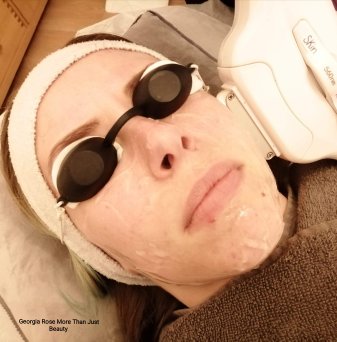
IPL Acne Clearance is designed for suitable clients experiencing mild to moderate inflammatory breakouts. Carefully selected light wavelengths help target acne-related bacteria and calm inflammation, supporting a clearer and more balanced complexion.
A course of treatments is usually recommended, alongside suitable homecare. A consultation and patch test are required to confirm that IPL is appropriate for your skin tone, medication and type of acne.

Chemical Peels
Professional chemical peels can help improve blocked pores, blackheads, excess oil and superficial post-breakout marks by encouraging controlled exfoliation and healthy skin renewal.
The peel and strength will be selected according to your skin’s condition, sensitivity and current level of inflammation. Chemical peels are not suitable for every type or severity of acne.
PROFESSIONAL ACNE AND CLARIFYING FACIALS
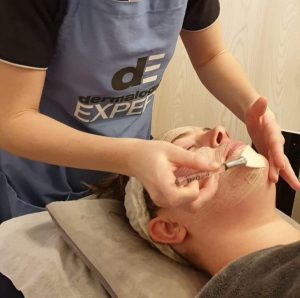
A tailored facial can help gently decongest the skin, support the skin barrier and improve the overall condition of oily or breakout-prone skin.
The products and techniques used will be chosen specifically for your skin rather than following one standard facial. Facials can provide valuable support alongside consistent homecare, although persistent or severe acne may require a different approach
IPL SKIN REJUVENATION
Once active breakouts have settled, IPL Skin Rejuvenation may help suitable clients improve lingering redness and some forms of uneven pigmentation left behind by acne.
IPL is not appropriate for every skin tone or every type of post-breakout mark, so a consultation and patch test are essential before treatment.
MICRONEEDLING
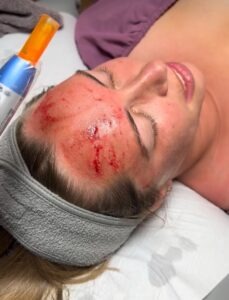
Microneedling encourages collagen remodelling and may help improve the appearance of suitable superficial, rolling and boxcar acne scars, as well as the skin’s overall texture.
Treatment should only begin once active inflammatory acne is under control. Deep ice-pick scars, raised scars and keloid-type scarring may require a different or specialist approach.
FAQ
Most frequent questions and answers
There is no single product that is best for every type of acne. The right ingredients depend on whether you are experiencing blocked pores, inflamed spots, sensitivity, excess oil or post-breakout marks.
Salicylic acid may help blackheads, whiteheads and congestion, while ingredients such as benzoyl peroxide or azelaic acid may be more appropriate for other types of breakouts. Using several strong products together can damage the skin barrier and make the skin appear more inflamed, so it is usually better to introduce one active ingredient at a time.
During your consultation, I can review your current routine and help you choose products that suit your individual skin.
Picking or squeezing a spot can push inflammation deeper into the skin, delay healing and increase the risk of infection, pigmentation and permanent scarring. Deeper nodules and cysts are particularly likely to scar when repeatedly disturbed.
If you have already picked a spot, gently cleanse the area, leave it alone and avoid applying several strong products in an attempt to dry it out quickly.
Acne rarely changes overnight. A consistent homecare routine can take several weeks to show a noticeable difference, while professional treatment plans often require a course of appointments and regular reviews.
The time needed will depend on the type and severity of your acne, possible contributing factors and how your skin responds. Taking progress photographs can make gradual improvements easier to recognise.
Keep your routine simple and consistent:
- Cleanse gently morning and evening using lukewarm water.
- Choose non-comedogenic skincare, make-up and SPF.
- Remove make-up before sleeping.
- Avoid harsh scrubs and repeatedly drying out the skin.
- Shower after heavy exercise and sweating.
- Avoid squeezing or picking spots.
- Introduce active ingredients gradually.
- Give a new routine time to work before repeatedly changing products.
Good sleep, stress management, regular movement and stopping smoking all support your general health, but acne is not caused by a lack of cleanliness or personal effort.
Breakouts that appear at a similar time each month may be connected to hormonal changes during the menstrual cycle. They often occur around the chin, jawline or lower face and may feel deeper or more tender.
Try tracking your breakouts and menstrual cycle for two or three months to identify a pattern. Keep your skincare routine consistent rather than aggressively treating the skin only when spots appear.
If the breakouts are painful, persistent or accompanied by irregular periods, increased facial hair or other hormonal symptoms, speak to your GP.
Both teenage and adult acne involve blocked follicles, oil production and inflammation, but their patterns can differ.
Teenage acne often develops across the forehead, nose, cheeks, chest or back as oil production increases during puberty. Adult acne may be more persistent around the chin, jawline and lower face and can be influenced by hormonal changes, stress, medication, skincare or cosmetic products.
The most suitable approach depends on the type and severity of the acne—not simply the person’s age.
Please seek medical advice if you have painful nodules or cysts, moderate or severe acne, rapidly worsening breakouts, signs of infection or acne that is beginning to scar.
You should also speak to your GP if acne is affecting your confidence or mental wellbeing, if suitable over-the-counter care has not helped, or if your breakouts are accompanied by other possible hormonal symptoms.
Professional skin treatments can support suitable mild-to-moderate concerns, but severe or medically driven acne may require prescription treatment.
Ready to TAKE CONTROL OF YOUR SKIN?
If you are unsure what type of acne you have—or whether you are dealing with active breakouts, post-acne marks or scarring—you do not have to work it out alone.
Book a skin consultation and I will assess your skin, review your current routine and help you create a realistic treatment and homecare plan tailored to your individual needs.
Your £30 consultation fee is fully redeemable against your first treatment.
Follow Me
✔ One-to-one personalised care
✔ Private clinic setting
✔ Free parking available
✔ Card & cash accepted
Clinic Hours
Monday - 1:00pm - 6:00pm
Tuesday - Thursday 10:00am - 7:00pm
Friday : 9:00am - 2:00pm
Saturday - Sunday : CLOSED
Find me
23 Jellicoe Avenue
Gosport, Hampshire
PO12 2PA
Phone: 07428 595979
Email: georgiaballard23@gmai.com
Privite home clinic - appointment only